

Category Archives: Repair & Diagnostics

Technician-level troubleshooting for ignition and electrical faults: how to test a coil before replacing it, why cars misfire in cold weather, and how to read battery and charging-system behaviour before it strands a customer. Each guide lists the measurements, the pass/fail thresholds and the parts that actually fail, so a shop can diagnose instead of guessing.

For shops and parts storesFixing these every week?

Trade Club publishes the membership terms in full: wholesale tiering, minimums on standard and non-standard parts, and the 18-month warranty on ignition parts.

Trade Club terms for repair shops

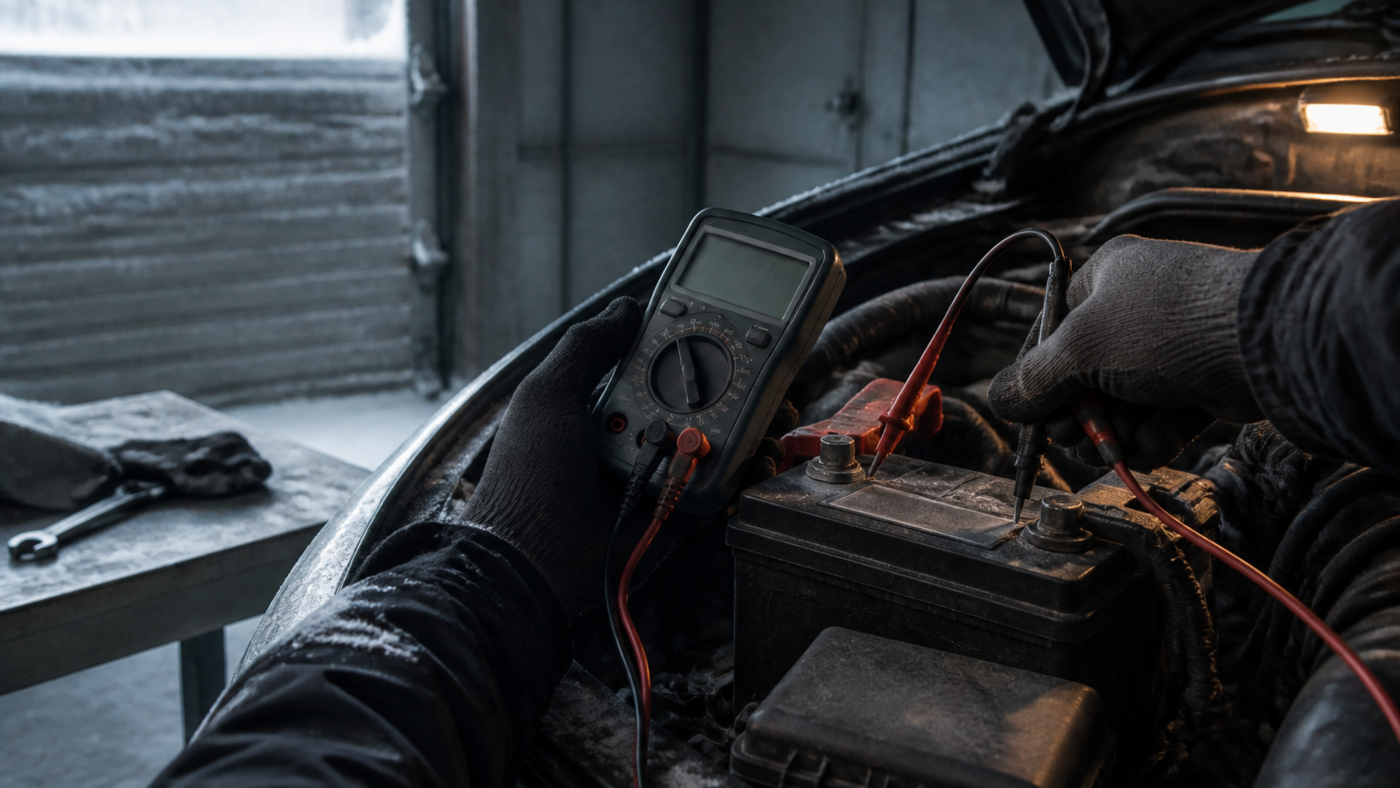
Battery & Charging System Check: The Winter Killers Explained

Battery & Charging System Check: The Winter Killers Explained

Battery & Charging System Check: The Winter Killers Explained The short answer: winter no-start failures come from three things at once — the battery loses capacity, the starter demands more current, and the charging system was already marginal. Run five checks before the first freeze: resting voltage (12.4–12.7V is healthy), cold cranking amps measured against […]
Ignition Coil Testing 101: How to Diagnose a Failing Coil

Ignition Coil Testing 101: How to Diagnose a Failing Coil

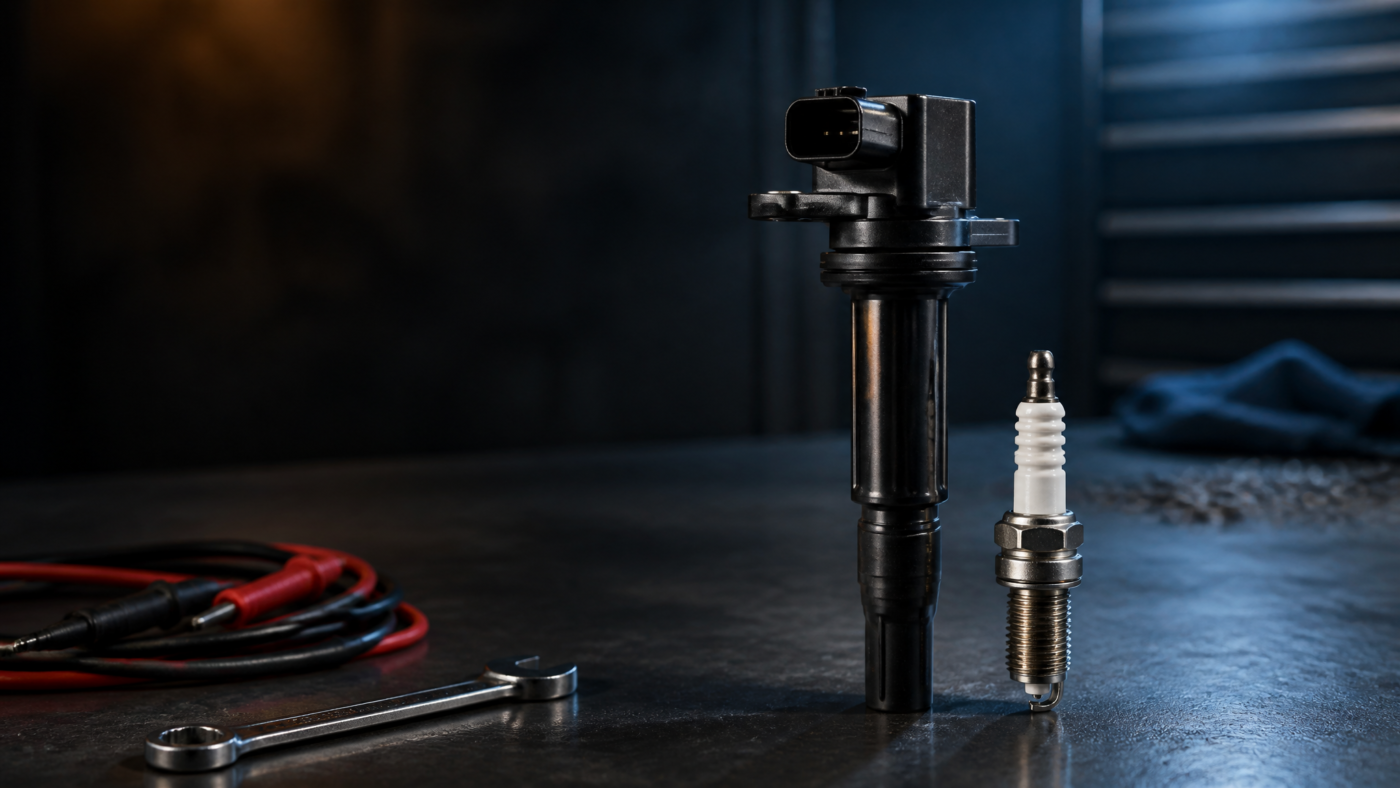
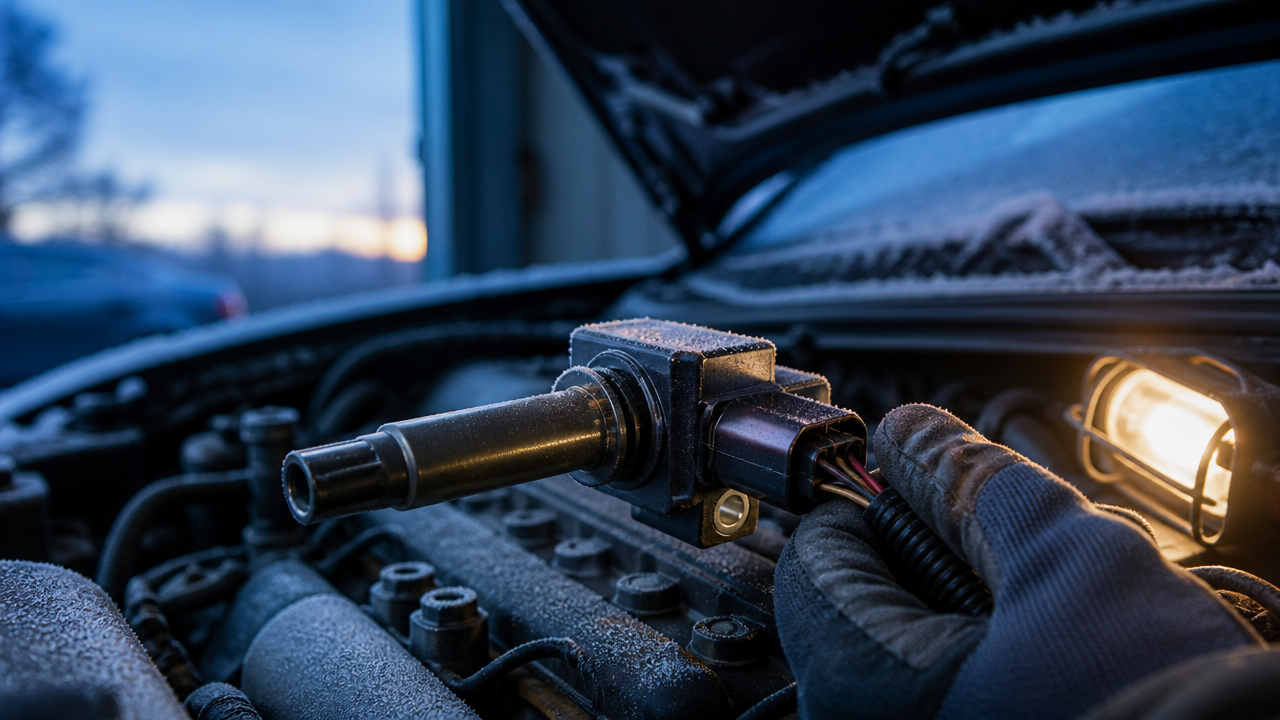
Ignition Coil Testing 101: How to Diagnose a Failing Coil The short answer: diagnose an ignition coil in three layers — a multimeter resistance check (primary 0.4–2.0 Ω, secondary 5–15 kΩ), a live waveform check on a scope or graphing multimeter, and a physical swap test between cylinders. Resistance testing alone misses the most common […]

Why Your Car Misfires in Cold Weather: Causes, Fixes & Prevention

Why Your Car Misfires in Cold Weather: Causes, Fixes & Prevention

Why Your Car Misfires in Cold Weather: Causes, Fixes & Prevention The short answer: a cold-weather misfire almost always comes from one of five places — a failing ignition coil, worn spark plugs, a weak battery, poor fuel delivery, or an air/vacuum leak. Cold air is denser and demands more ignition voltage, so components that […]

× How can I help you?